
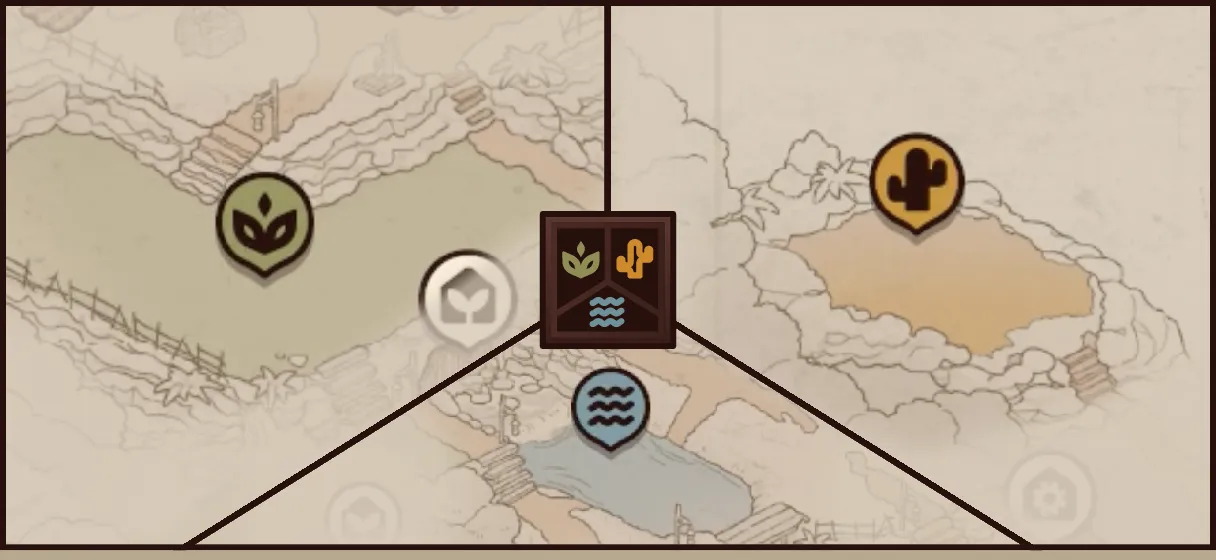
Three types of ground, different planting choices
The August farming log identifies arid, regular and wet plots. Plot type is one of the conditions attached to seeds, alongside season. You are choosing crops for the ground that exists on a mountainside farm, rather than assuming every square can grow every crop.
| Plot | Official description | Watering and space |
|---|---|---|
| Arid | Drier, more elevated soil, suitable for certain crops. | Check the seed’s plot requirements; no full crop list is supplied. |
| Regular | The most common soil, with the most room for more common crops. | The general planting loop includes watering. |
| Wet | Plots in the river for crops that thrive there. | These plots do not need watering. Plot sizes do not change. |
Official description, not a hands-on test. Sources: Devlog: Farming Systems & Grids
Plan around the space that is there
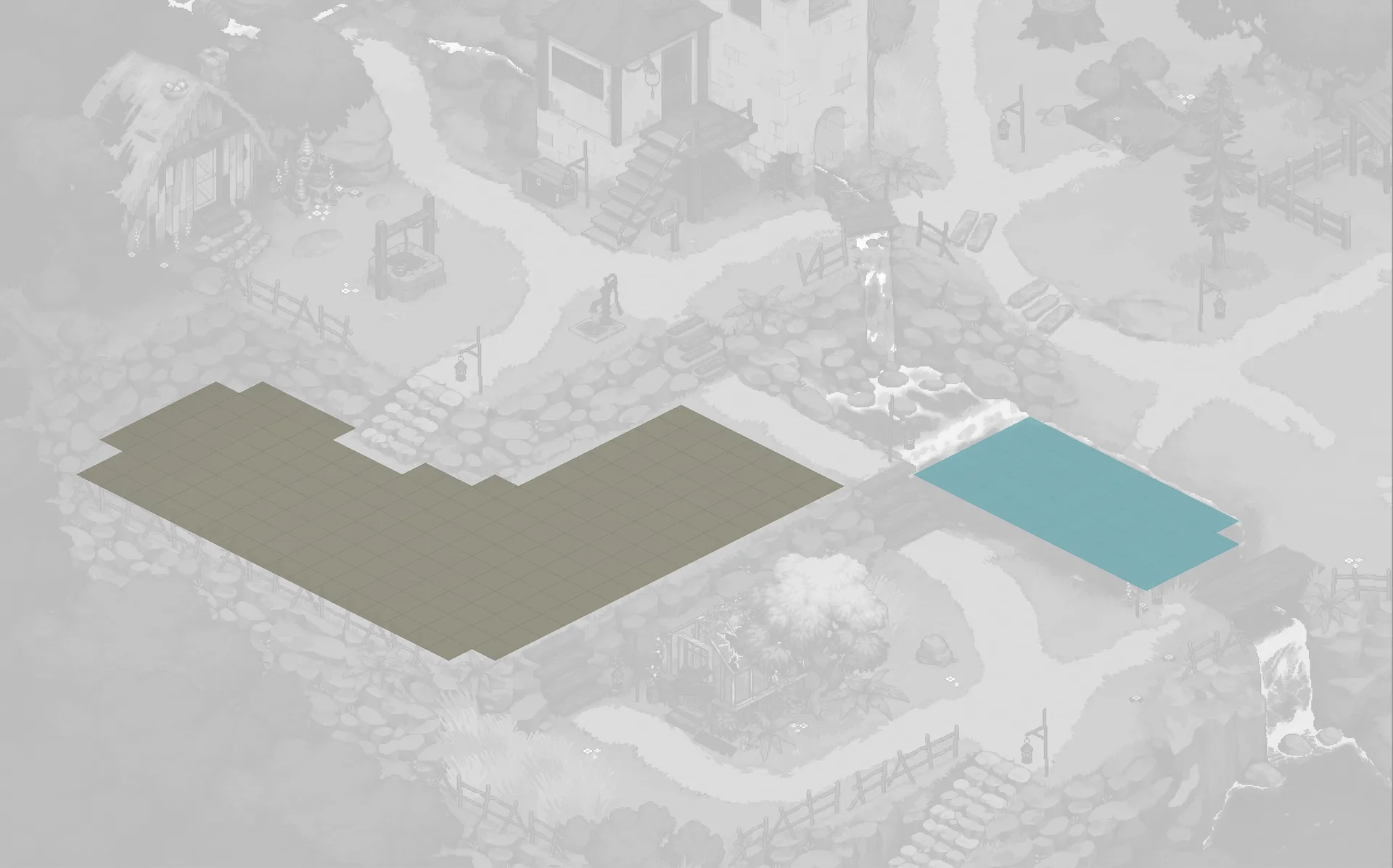
The developers explicitly say that these plots do not change in size. This matters when reading the broader announcement of farm upgrades: an upgrade feature does not by itself promise that you can expand each soil type. The log connects the constraint to the farm’s mountainside setting. Crop choice and timing therefore deserve attention even before a complete seed catalogue is available.
Check two requirements before planting
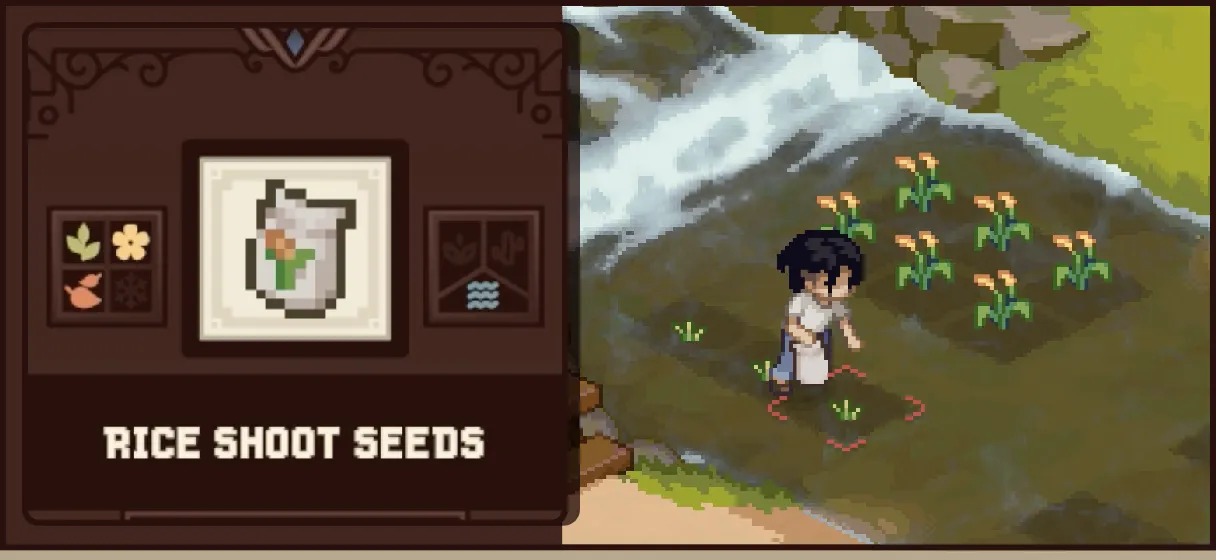
A seed has both seasonal and plot-related information. The farming log says that information is available when buying seeds or reading their tooltips. The useful decision is therefore not simply whether a crop belongs to spring or summer: check whether it also belongs in the selected soil. The seed guide explains the announced sources of seeds and the information to look for.
Read the grid feedback
A visible grid appears while farming to show the interactions available around the player. Red or white feedback depends on whether the action can happen. The developer examples include the equipped tool, enough energy, and a seed appropriate for the plot type. Those are the documented checks; precise error messages and final button prompts have not been reproduced in a tested build here.
Does wet soil still need the watering can?
The August log gives a direct answer: wet farm plots do not need to be watered. That is a specific exception to the general dig, plant and water sequence. It does not establish that every crop near water, or every location with water in its name, follows the same rule. Identify the plot type first and use the tool overview for the rest of the equipment.
From plot rules to a growing plan
A complete planting calendar will need individual seed names, growth times and seasonal boundaries. Until those records exist, use the verified combination of season and ground type rather than an invented profit ranking. The farming overview keeps the entire daily loop together, while this page focuses on the differences between plots.
Sources & editorial scope
Sources checked 2026-10-06. This article covers official announcements, not a first-hand gameplay test. Older source material retains its original release context.