
What the developers shared
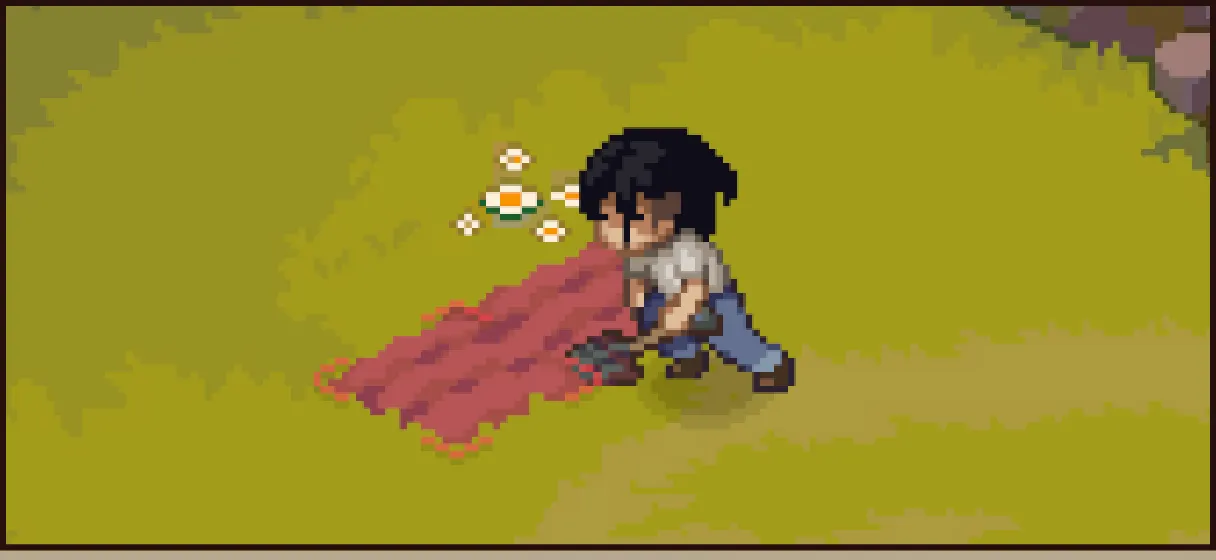
Perfect Garbage’s August 4 development log takes a close look at farming in Grave Seasons. It names the starting tools, explains three types of planting ground and describes how interaction works in an isometric scene. The article is a development update, not a patch note or an announcement that the game is available to play.
Sources: Devlog: Farming Systems & Grids ↗
Plot choice is part of planting
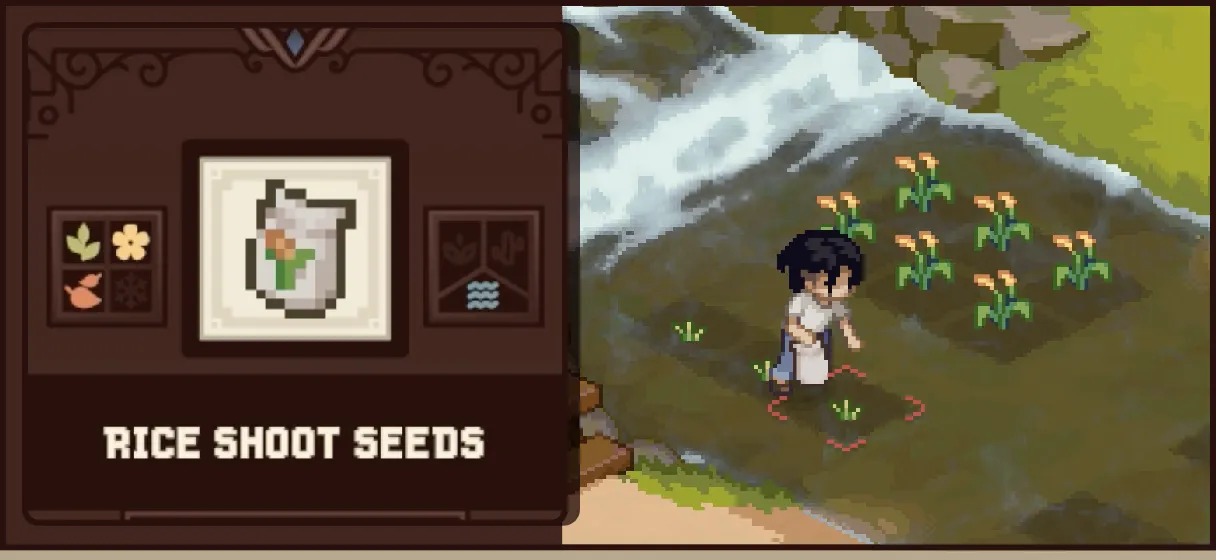
The three announced plot types are arid, regular and wet. Arid ground is drier and more elevated, regular soil provides the largest common planting area, and wet plots support plants suited to the river. Wet plots do not need watering. The developers also say the plots do not change in size, making compatibility and available space important to future crop planning.
Seeds come with conditions
The log describes more than 45 seeds, with some purchased and others found through foraging. Season and plot type are among their growth conditions, visible when buying seeds or reading their tooltips. It does not provide a complete seed catalogue with growth times and prices, so it cannot yet support a reliable best-crop ranking.
A visible grid helps explain actions
The developers describe a farming grid that appears around the player and distinguishes allowed from unavailable interactions. The right tool, enough energy and a compatible seed are among the checks behind that feedback. They also explain a priority rule: picking up a movable item can come before interacting with the ground beneath it, even when a digging tool is equipped.
What this means for readers
The update supports three practical reference topics: which tools do which jobs, how plot types differ, and what to check in seed information. Those guides keep the rules together as reference pages. This report preserves the date and scope of the announcement; it does not claim a first-hand test of the farming controls.
Sources & editorial scope
Sources checked 2026-10-07. This article covers official announcements, not a first-hand gameplay test. Older source material retains its original release context.